
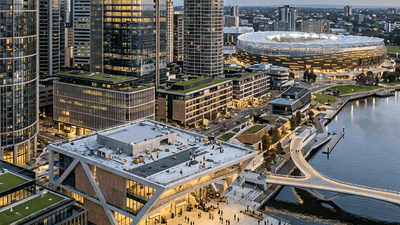



Australian architecture is entering a defining chapter in 2026, marked by a deliberate shift away from traditional East Coast-centric narratives toward a truly national—and increasingly global—perspective. The discourse shaping our built environment is no longer confined to the boardrooms of Sydney and Melbourne; it is being driven by regional leadership, ambitious civic landmarks in emerging hubs, and a new generation of graduates exporting their expertise to the world.
This geographic and intellectual expansion was crystalized this week with the Australian Institute of Architects (AIA) revealing the highly anticipated lineup of speakers for the 2026 Australian Architecture Conference. The program promises a robust examination of where the profession is heading, but the theoretical debates on stage are already being mirrored by sweeping practical changes across the country's architectural landscape.
A New Era of Leadership and Discourse
The announcement of the 2026 conference speakers sets a progressive agenda for the year, focusing on resilience, community integration, and the evolving role of the architect in an era of rapid urban transformation. However, the most significant indicator of the Institute’s shifting center of gravity is its leadership.
The AIA recently announced Ross Donaldson as its incoming national president-elect, making him the first Western Australia-based president in more than a decade. For architecture professionals, this is more than a ceremonial passing of the baton. A WA-based presidency brings a distinct lens to national issues, informed by a market that intimately understands resource constraints, vast regional distances, and boom-and-bust economic cycles.
"Having national leadership based outside the eastern seaboard ensures that the unique challenges of regional and western practices—from supply chain logistics to climate-responsive design—are front and center in our national advocacy."
Donaldson’s tenure is expected to champion a more decentralized approach to architectural policy, ensuring that the voices of practitioners in WA, South Australia, and Tasmania carry equal weight in federal discussions regarding procurement, sustainability standards, and urban planning.
Civic Landmarks: From Mega-Stadiums to Cultural Icons
While the Institute restructures its leadership, the physical landscape of Australian cities is undergoing its own dramatic evolution through massive civic and cultural investments.
Brisbane's Olympic Catalyst
In Queensland, the long-debated infrastructure pipeline for the 2032 Olympics has reached a critical milestone. A federal decision has officially cleared the path for the development of a new stadium at Victoria Park in Brisbane. This ruling removes a major bureaucratic hurdle, greenlighting a project that will serve as the centerpiece of the city's sporting infrastructure.
For architectural and engineering firms, the Victoria Park project represents a generational opportunity. Beyond the stadium itself, the precinct will require extensive masterplanning to integrate heavy rail, active transport corridors, and public parklands. The challenge will be avoiding the "white elephant" syndrome that plagues many Olympic host cities, requiring design solutions that prioritize legacy, adaptability, and daily civic use long after the closing ceremony.
Hobart’s Cultural Expansion
Meanwhile, in Tasmania, cultural infrastructure continues to redefine regional tourism. The Museum of Old and New Art (MONA) in Hobart has announced that its new $100 million wing, designed by acclaimed architect Nonda Katsalidis, is set to open in June.
Katsalidis’s ongoing collaboration with MONA founder David Walsh has consistently pushed the boundaries of subterranean and experiential architecture. This new wing is expected to further cement Hobart's status as a global cultural destination, demonstrating to mid-sized cities worldwide how daring, privately funded architectural interventions can radically transform a local economy.
Masterplanning and Everyday Excellence
While mega-projects dominate the headlines, the profession's true impact is often felt in the regeneration of our everyday urban fabric and the consistent delivery of high-quality design.
Regenerating the Suburbs
In South Australia, attention is turning to the adaptive reuse of institutional land. Feedback is currently being sought for the redevelopment of the former University of South Australia (UniSA) Magill campus. The proposed masterplan outlines a staged transition into a vibrant new residential neighborhood.
This project is a bellwether for how Australian cities will handle aging institutional assets. By incorporating a mix of medium-density housing, dedicated aged care facilities, and preserved open spaces, the Magill redevelopment offers a blueprint for "missing middle" development. For practitioners, it underscores the growing demand for multi-generational precinct design—a critical skill as Australia's demographic profile continues to age.
Celebrating State-Level Excellence
The baseline for design quality across the country remains exceptionally high, as evidenced by the 2026 NSW Architecture Awards shortlist. With more than 120 projects named across residential, commercial, public, heritage, and sustainable design categories, the shortlist reflects a maturing market that values nuanced, context-sensitive architecture over superficial form-making.
- Heritage Integration: A noticeable uptick in projects seamlessly blending colonial or industrial heritage with contemporary insertions.
- Sustainable Commercial: Mid-tier commercial projects demonstrating that high-performance environmental design is no longer a premium add-on, but a baseline expectation.
- Public Amenities: Small-scale civic projects, such as regional libraries and community centers, punching above their weight in architectural ambition.
Exporting Expertise: The Next Generation
Perhaps the most exciting indicator of Australian architecture's future comes not from established firms, but from our universities. A team of architectural graduates from the University of Tasmania (UTAS) recently won the prestigious Climate Centre Heat Adaptive Architecture Design Competition.
Their winning proposal—a climate-adaptive shophouse unit designed specifically for the extreme heat and humidity of Bangladesh—demonstrates a profound understanding of passive cooling, local material sourcing, and culturally responsive design. This victory highlights a crucial shift: Australian architectural education is successfully equipping graduates to solve complex, global climate challenges, positioning Australian talent as a valuable export in the international fight against climate change.
2026 Architectural Milestones
To help practitioners track the shifting landscape, here is a summary of the key milestones shaping the national agenda this year:
| Event / Project | Location | Significance for the Profession |
|---|---|---|
| AIA National Presidency | Western Australia / National | Ross Donaldson brings a WA-centric perspective to federal advocacy and resource management. |
| Brisbane Stadium at Victoria Park | Brisbane, QLD | Federal clearance opens the door for major masterplanning and legacy-focused sports architecture ahead of 2032. |
| MONA New Wing Opening | Hobart, TAS | A $100M testament to the power of cultural architecture in driving regional economic transformation. |
| UniSA Magill Campus Redevelopment | Adelaide, SA | A blueprint for transitioning institutional land into multi-generational, mixed-use residential precincts. |
Conclusion
As the 2026 Australian Architecture Conference approaches, the profession finds itself in a state of dynamic expansion. The traditional dominance of the eastern seaboard is being balanced by vital contributions from the west and south, championed by new leadership and bold civic investments. From the federally backed Olympic infrastructure in Brisbane to the culturally transformative spaces of Hobart, and the globally recognized climate innovations of our youngest graduates, Australian architecture is proving its capacity to lead on multiple fronts.
For practitioners, the message is clear: the most successful firms in the coming decade will be those that look beyond their local postcodes. By engaging with national dialogues, embracing regional complexities, and applying our unique climate expertise to global challenges, the Australian architectural community is well-positioned to design a more resilient and culturally enriched future.